Linda S. Kahn PhD
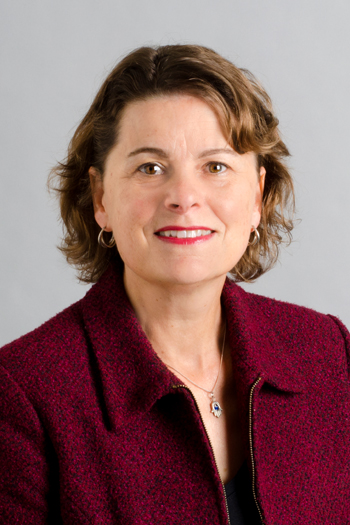
Linda S. Kahn
PhD
Research Professor, Primary Care Research Institute
Jacobs School of Medicine & Biomedical Sciences
Specialty/Research Focus
Behavioral Health; Community Health Research; Criminal Justice Involvement; Health Disparities Research; Health Services Research; Medical Anthropology; Program Evaluation; Substance Use Disorder; Translational Research
Professional Summary:
I am an applied medical anthropologist specializing in improving access to healthcare and recovery capital for marginalized individuals with substance use disorder (SUD), mental illness, and complex chronic medical conditions. I also provide teaching and mentorship to learners across the training continuum that includes postdoctoral fellows, medical students, residents, junior faculty, graduate, and undergraduate students.
My team and I conduct ethnographic, mixed-methods, and health services studies to identify contextual factors that shape care delivery and to inform interventions that reduce treatment barriers. A consistent theme in my work is uncovering how people navigate adversity and develop adaptive strategies. This includes how patients manage the treatment burden of diabetes and chronic kidney disease, as well as how people with SUD or justice-involvement access recovery capital. In recent work with justice-involved women with SUD, we integrated stigma theory with a resiliency framework to explore how some women developed coping strategies amid significant instrumental and personal challenges.
Throughout my career, I have advanced community-based research that supports sustainable academic–community partnerships aimed at improving care for high-risk populations. I have led research and evaluation efforts for several federally funded public health initiatives, including the Bureau of Justice Assistance–funded Buffalo Treatment Court Opioid Intervention Program (“Opioid Court”), an Office of Women’s Health–funded SBIRT implementation initiative in community OB-GYN practices, and a BJA-funded Opioid Overdose Outreach Enhancement Program designed to strengthen first-responder engagement and linkage to treatment. I also served as co-PI on a CDC-funded R01 (R01 CE003144-0) evaluating the processes and outcomes of opioid and traditional drug treatment courts. Findings from these projects continue to inform interventions that improve access to care for individuals with SUD and co-occurring chronic illnesses.
I am equally committed to training the next generation of researchers and clinicians. From 2017–2022, I directed a NRSA T32 institutional training program focused on primary care–related biomedical and behavioral health research (T32HP30035). Since 2023, I have served as lead evaluator and research lead for a $2.5 million Health Resources and Services Administration grant (TA248948) to enhance Family Medicine residency training in SUD and behavioral health. Currently I am co-PI with Dr. Michael Elliott on a $2.5 million 5-year HRSA grant (T35HP55304) to train physicians to provide care for people experiencing homelessness. Our goal is to develop a national model for integrating street medicine into graduate medical education that will also be a springboard for research.
Education and Training:
- Certificate, Certified Educator, University at Buffalo / Royal College of Physicians (2013)
- Fellowship, Civic Engagement Research Fellowship, University at Buffalo (2011)
- Fellowship, National Research Service Award (NRSA) Fellow, University at Buffalo (2010)
- BS, Anthropology, University of California, Berkeley
- MA, Anthropology, University of California, Berkeley
- PhD, Anthropology, University of California, Berkeley
Employment:
- Professor, Family Medicine, University at Buffalo Jacobs School of Medicine & Biomedical Sciences (2012-present)
- Adjunct Assistant Professor, Anthropology, Department of Anthropology University at Buffalo, (2011-present)
- Associate Vice Chair of Research Scholarship, Department of Family Medicine, University at Buffalo, School of Medicine and Biomedical Sciences (2011-present)
- Graduate Faculty, University at Buffalo, School of Medicine and Biomedical Sciences (2006-present)
- Associate Professor, Family Medicine, University at Buffalo, School of Medicine and Biomedical Sciences (2008–2012)
- Director of Evaluation, Gold Choice PCMPIIA, Family Medicine, University at Buffalo, School of Medicine and Biomedical Sciences Jacobs School of Medicine & Biomedical Sciences (2004–2012)
- Director of Evaluation, New York State Area Health Education Center (AHEC) System, Family Medicine, University at Buffalo, School of Medicine and Biomedical Sciences (2003–2008)
- Director of Evaluation, Primary Care Research Institute, Family Medicine, University at Buffalo, School of Medicine and Biomedical Sciences (2003–2008)
- Research Assistant Professor, , Department of Family Medicine, Family Medicine, University at Buffalo, School of Medicine and Biomedical Sciences (2003–2008)
- Research Assistant Professor, Department of Psychiatry, University at Buffalo, School of Medicine and Biomedical Sciences (1999–2007)
- Adjunct Assistant Professor, Anthropology, University at Buffalo Jacobs School of Medicine & Biomedical Sciences (2003–2006)
- Research Associate, BioBehavioral Program, Department of Psychiatry, University at Buffalo, School of Medicine and Biomedical Sciences (1997–2003)
- Visiting Professor of Education, Departments of Teacher Education and Anthropology and Sociology, Departments of Teacher Education and Anthropology and Sociology, Canisius College Canisius College (1996–1997)
- Adjunct Professor of Anthropology, Canisius College (1991–1997)
- Adjunct Professor of Education, Canisius College (1991–1996)
- Financial Analyst, Citicorp Global Payment Products Division (1986–1989)
- Teaching Associate, Socio-Cultural Anthropology, University of California, Berkeley (1983–1984)
Awards and Honors:
- Buffalo Blue Sky Silver Coin (2018)
- Recognition for excellence in journal review (2016)
- Distinguished Research Mentor Award Nomination (2015)
- Civic Engagement Research Fellowship (2010)
- Phi Beta Kappa (1977)
Research Expertise:
- Community Health and Chronic Disease
- Criminal Justice Involvement
- Harm Reduction
- Health Disparities
- Health Services Research
- Implementation Science
- Integrated Medical/Behavioral Health
- Medical Anthropology
- Medical Education
- Opioid Overdose
- Patient Self-management
- Program Evaluation
- Qualitative Methods
- Substance Use Disorder and Behavioral Health
- Translational Research in Practice
UB 2020 Strategic Strengths:
- Civic Engagement and Public Policy
- Health and Wellness Across the Lifespan
Grants and Sponsored Research:
- December 2022–September 2027
UB Family Medicine Residency Didactic Training in Behavioral Health
HRSA
Role: Co-Principal Investigator
$2,500,000 - September 2022–October 2026
Erie County NY First Responder Opioid Epidemic Task Force Support Program
SAMHSA
Role: Co-Principal Investigator
$2,000,000 - October 2023–October 2024
Drug Court Smiles: Addressing dental care equity for justice-involved people
University at Buffalo Civic Engagement Research Fund
Role: Principal Investigator
$5,000 - September 2019–September 2024
CDC -Research Grants to Identify Effective Strategies for Opioid Overdose Prevention (R01)- A Rigorous Evaluation of the Opioid Intervention Court Strategy – a Public Health Response
CDC
Role: Co-Principal Investigator
$1,962,000 - May 2019–May 2024
High Risk Critical Time Intervention
Erie County Department of Mental Health
Role: Co-Investigator
$340,519 - January 2023–December 2023
The Mothers Justice Project: Exploring the experiences of pregnant and parenting women with substance use and justice involvement
The Institute for Research and Education on Women and Gender, University at Buffalo
Role: Co-Principal Investigator - July 2021–June 2023
Impacts of Covid-19 on drug treatment courts: adaptations to remote technology
Baldy Center for Law & Soc. Policy, University at Buffalo
Role: Principal Investigator
$4,509 - January 2019–December 2022
Lackawanna Drug Court Evaluation Services
US Dept. of Justice, Bureau of Justice Assistance (BJA)
Role: Principal Investigator
$99,364 - September 2018–September 2022
SAMHSA – Comprehensive Addiction and Recovery Act (FR-CARA)-Naloxone Expansion with Local First Responders and Emergency Department-Initiated Care Coordination for People Who Use Opioids
SAMHSA
Role: Co-Investigator
$1,600,000 - September 2017–September 2022
Expansion/Enhancement of Family Treatment Drug Courts
SAMHSA
Role: Principal Investigator
$2,125,000 - July 2016–June 2022
UB Primary Care Research Fellowship Training Program
Health Resources and Services Administration
Role: Principal Investigator
$2,000,000 - October 2017–September 2020
Erie County NY Opioid Overdose Outreach Enhancement Program
US Dept. of Justice, Bureau of Justice Assistance (BJA)
Role: Principal Investigator
$594,589 - September 2017–June 2020
Office of Women Health- Prevention of Opioid Misuse for Erie County NY Women of Childbearing Age: Building Community Capacity and Piloting a Replicable OB/GYN SBIRT Model
HHS Office of Women's Health
Role: Principal Investigator
$300,000 - January 2014–December 2019
HOPE Critical Time Intervention
Erie County Department of Mental Health
Role: Principal Investigator
$278,026 - May 2017–September 2019
The Erie County Opioid Treatment Court Enhancement
US Dept. of Justice, Bureau of Justice Assistance (BJA)
Role: Principal Investigator
$300,000 - June 2015–May 2018
Critical Time Intervention: A Person-Centered Approach to Promote Self-Sufficiency in Justice-Involved Individuals
University at Buffalo, Institute for Person-Centered Care
Role: Principal Investigator
$7,352 - January 2017–January 2018
ICHP/CRI - UB Collaborative, Interdisciplinary Graduate Research Project - Opioid Overdose and the Associated Risks for Child Endangerment
Role: Co-Principal Investigator - January 2015–January 2018
ICHP/CRI - UB Collaborative, Interdisciplinary Graduate Research Project - Parenting and relapse education for pregnant women in opioid recovery from dependence.
ICHP/CRI
Role: Co-Investigator - July 2014–October 2016
Improving Chronic Disease Management with Pieces (ICD Pieces)
NIDDK / NIH
Role: Co-Investigator
$5,776,993 - September 2011–September 2016
Academic Administrative Units in Primary Care
Health Resources and Services Admin
Role: Co-Investigator
$765,239 - September 2011–September 2016
Pre-Doctoral Training in Primary Care
Health Resources and Services Administration
Role: Co-Investigator
$940,252 - September 2011–September 2016
Residency Training Model for Expanding PCMH Workforce in Underserved Areas
HRSA
Role: Co-Investigator
$1,198,800 - July 2011–June 2016
Improving Evidence-Based Primary Care for Chronic Kidney Disease
National Institute of Diabetes Digestive Kidney Disease
Role: Co-Investigator
$3,803,031 - June 2012–May 2016
Improving Evidence-based Primary Care for Chronic Kidney Disease – Diversity Supplement
NIH (NIDDK)
Role: Co-Investigator
$278,326 - October 2010–September 2015
Western New York Cancer Coalition (WNYC2) Center Training and Career Development Program
NCI/NCRD
Role: Co-Investigator
$4,746,605 - January 2014–December 2014
High-Risk Critical Time Intervention (CTI) Pilot Project
Erie County
Role: Principal Investigator
$270,000 - September 2010–August 2014
Western New York Cancer Coalition (WNYC2) Center to Reduce Disparities - Training Program
Health Research, Inc.
Role: Co-Investigator
$180,698 - June 2012–August 2013
Addressing patient activation for CKD self-management in underserved PCMH settings
American Academy of Family Physicians Foundation
Role: Principal Investigator
$7,500 - December 2011–August 2012
Improving Mood - Promoting Access to Collaborative Treatment (IMPACT) Pilot Project
Independent Health Association, Inc
Role: Principal Investigator
$9,626 - January 2011–December 2011
Evaluation of Smoking Cessation Counseling for COPD in the PCP Office (Gold Choice PCMPIIA)
Erie County Department of Mental Health
Role: Principal Investigator
$100,000 - January 2007–December 2011
Evaluation of Wellness on Wheels (Gold Choice PCMPIIA)
Erie County Department of Mental Health
Role: Principal Investigator
$100,000 - September 2009–September 2011
Cancer Prevention among Urban Poor with Complex Chronic Conditions
NCMHD
Role: Co-Investigator
$1,044,374 - July 2010–June 2011
Civic Engagement Research Fellowship: "Identifying Barriers and Facilitators to Diabetes Self-Management on Buffalo's West Side"
University at Buffalo
Role: Principal Investigator
$3,500 - July 2008–June 2011
UB Clinical Research Fellowship in Health Disparity
HRSA - January 2008–December 2010
Evaluation of Diabetes Center Community Excellence
New York State Health Foundation
Role: Principal Investigator
$243,841 - January 2008–December 2010
Evaluation of Improving Diabetes Care for Individuals with Mental Illness and/or Substance Abuse
New York State Health Foundation
Role: Principal Investigator
$299,355 - April 2008–April 2009
Evaluation of improving mammography screening among women with mental illness and/or substance abuse through partnering with counseling agencies. (Gold Choice PCMPIIA)
Susan G. Komen Foundation
Role: Principal Investigator
$30,000 - January 2007–January 2009
Diabetes Care Management Benchmark (Gold Choice PCMPIIA)
Erie County Department of Mental Health
Role: Principal Investigator
$300,000 - January 2007–December 2008
Telemedicine Home Care Demonstration Program
Western Region Health (Corp.), dba WILLCARE (New York State Department of Health RFA #0511291202)
Role: Principal Investigator
$133,903 - July 2003–June 2008
New York State Area Health Education Center (AHEC) System
HRSA
Role: Co-Investigator
$20,700,000 - June 2006–May 2008
Making CKD Guidelines Work in Underserved Practices
Agency for Healthcare Research and Quality (AHRQ)
Role: Co-Investigator
$100,000 - July 2003–June 2007
Pre-Doc Program: Core Competency Training Program in Health Disparity
HRSA
Role: Co-Investigator
$529,200 - July 2002–June 2005
Residency Patient Safety Training Program
HRSA
Role: Co-Investigator
$515,000 - January 2000–December 2002
An “Alert Tool” to Screen for Mental Illness in Primary Care
Research for Health in Erie County, Inc.
Role: Principal Investigator
Journal Articles:
- Fix, GM Kahn, LS Nevedal, AL. (2025) Introduction to Qualitative Methods: A Practical Primer for Clinicians. Family Medicine (Dec), X(X): 1-10. doi:10.22454/FamMed-2025-0212
- Kahn LS, Brimmer MJ, Thomas M, Watson WJ, Daun-Barnett S, Berdine D, Kruger JS. (2025) Drug Court Smiles: Addressing Dental Care Equity for Justice-Involved People. Health promotion practice (Jun)15248399251345438.
- Stephenson KM, Wahler A, Berdine D, McCormick-Cisse M, Abdelsayed S, Kahn LS. (2024) "I'm not a bad mother:" the experience of stigma among mothers with substance use disorder in the criminal justice system. Women & health (Dec)1-10.
- Kahn, L.S. (2024) A-Wristed Developments: Adapting to Disability. Patient Education and Counseling (Nov), 130: 108489. doi:https://doi.org/10.1016/j.pec.2024.108489
- Knapp KS, Kulak JA, Homish DL, Granfield R, Homish GG, Kahn LS. (2024) Longitudinal trajectories in recovery capital and associations with substance use among adult drug treatment court clients. Drug and alcohol dependence (Jul), 260: 111343.
- Zain, Sultan Virk, Jas Wilson, Diva Kahn, Linda Holmes, David. (2024) Benefits and Challenges of a Global Health Scholars Track for Family Medicine Residents. Open Journal of Social Sciences (Mar), 3(12): 399-409. doi:doi.org/10.4236/jss.2024.123027
- Kahn, L.S. Brimmer, M.J. Berdine, D.E. Lawson, S. C. Homish, D. L. (2023) Impacts of COVID-19 on Drug Treatment Court Operations: Lessons Learned Through Normalization Process Theory. Victims & Offenders (Jul)1-24. doi:DOI:10.1080/15564886.2023.2230476
- Berdine DE, Thomas MC, Kahn LS, Vest BM. (2022) Challenges and Lessons Learned in the Regional Implementation of MISSION-CJ in Drug Treatment Courts. Psychiatric services (Washington, D.C.) (Aug), 73(8): 950-953.
- Brady, L. A., Wozniak, M. L., Brimmer, M., Terranova, E., Moore, C., Kahn, L. S., Vest, B. M., & Thomas, M. (2022) Coping strategies and workplace supports for substance use disorder peers: Results of qualitative interviews. Substance Abuse (Aug)
- Kahn LS, Wozniak ML, Doscher T, Moore C, Vest BM. (2022) Treatment Experiences Among People Who Use Opioids: A Social Ecological Approach. Qualitative health research (Jul), 32(8-9): 1386-1398.
- Clemency, B.M., Hoopsick, R.A., Burnett, S.J., Kahn, L.S., Lynch, J.J. (2022) Implementing a Novel Statewide Network to Support Emergency Department-Initiated Buprenorphine Treatment. Western Journal of Emergency Medicine: Integrating Emergency Care with Population Health Management (Mar)
- Kahn LS, Thomas M, Borro T, Berdine DE and Vest BM. (2022) Incorporating MISSION-CJ for Drug Court Participants with Co-Occurring Substance Use and Mental Health Disorders. Journal of Offender Rehabilitation (Mar)
- Thomas M, Brady L, Wozniak M, Terranova E, Moore C, Kahn L. (2021) A Public Health Initiative to Improve First Responder and Community Member Opioid Overdose Attitudes and Knowledge. Journal of Paramedic Practice (Dec)
- Kahn LS, Hoopsick RA, Horrigan-Maurer C, Homish GG. (2021) “The Emergency Room” in the Drug Court System: Evaluating the Opioid Intervention Court. Victims & Offenders (Feb)
- Kahn LS, Wozniak M, Vest BM, Moore C. (2020) "Narcan encounters:" overdose and naloxone rescue experiences among people who use opioids. Subst Abus (Apr)1-14.
- Kahn LS. (2020) Community, clinics, and courts: an applied anthropology journey. Practicing Anthropology (Jan), 42(1): 17-20.
- McElroy A, Cadzow R, Kahn LS, Fix G. (2020) Introduction to divergent pathways and applied anthropology careers. Practicing Anthropology (Jan), 42(1): 2-10.
- Schuster RC, Rodriguez EM, Blosser M, Mongo A, Delvecchio-Hitchcock N, Kahn L, Tumiel-Berhalter L. (2019) "They were just waiting to die": Somali Bantu and Karen Experiences with Cancer Screening Pre- and Post-Resettlement in Buffalo, NY. J Natl Med Assoc (Jun), 111(3): 234-245.
- Kulak JA, Fillo J, Homish DL, Kahn L, Homish GG. (2019) Substance use and mental health among military spouses and partners. Mil Behav Health (Apr), 7(3): 257-267.
- Kahn LS, Vest BM, Kulak JA, Berdine DE, Granfield R. (2019) Barriers and facilitators to recovery capital among justice-involved community members. Journal of Offender Rehabilitation (Jan), 58(6): 544-565.
- Lopian KM, Chebolu E, Kulak JA, Kahn LS, Blondell RD. (2019) A retrospective analysis of treatment and retention outcomes of pregnant and/or parenting women with opioid use disorder. J Subst Abuse Treat (Jan), 97: 1-6.
- Kahn LS, Mendel WE, Fallin KL, Borngraber EA, Nochajski TH, Rea WE, Blondell RD. (2017) A parenting education program for women in treatment for opioid-use disorder at an outpatient medical practice. Soc Work Health Care (Jun)1-17.
- Luong DTA, Tran D, Pace WD, Dickinson M, Vassalotti J, Carroll J, Withiam-Leitch M, Yang M, Satchidanand N, Staton E, Kahn LS, Chandola V, Fox CH. (2017) Extracting Deep Phenotypes for Chronic Kidney Disease Using Electronic Health Records. EGEMS (Jun), 5(1): 9.
- Lopian KM, Kahn LS, Blondell RD. (2017) Women's groups: a safe space for mutual support for women in recovery from OUD. Family Doctor (Jan), 6(1): 37-38.
- Vest BM, Hall VM, Kahn LS, Heider AR, Maloney N, Singh R. (2017) Nurse Perspectives on the Implementation of Routine Telemonitoring for High Risk Diabetes Patients in a Primary Care Setting. Primary health care research and development (Jan), 18(1): 3-13.
- duPont NC, Mahoney MC, Kahn LS, Vest BM, Widman CA, Clark-Hargrave NS, Erwin DO. (2016) Developing a Smoking Cessation Intervention for Low Income and Minority Women. Journal of women's health care (Apr), 5(2): 309.
- Cipparone CW, Withiam-Leitch M, Singh R, Kimminau KS, Fox CH, Kahn LS. (2015) Accuracy of ICD-9 Codes for Early-stage Chronic Kidney Disease: A Practice-based Research Network Study. J Am Board Fam Med (Sep), 28(5): 678-682.
- Kahn LS, Vest BM, Madurai N, Singh R, York TR, Cipparone CW, Reilly S, Malik KS, Fox CH. (2015) Chronic kidney disease (CKD) treatment burden among low-income primary care patients. Chronic Illn (Sep), 11(3): 171-183.
- Vest BM, York TR, Sand J, Fox CH, Kahn LS. (2015) Chronic Kidney Disease Guideline Implementation in Primary Care: A Qualitative Study of Providers in the TRANSLATE CKD Study. J Am Board Fam Med (Sep), 28(5): 624-631.
- Cadzow RB, Vest BM, Craig M, Rowe JS, Kahn LS. (2014) "Living well with diabetes": evaluation of a pilot program to promote diabetes prevention and self-management in a medically underserved community. Diabetes Spectr (Nov), 27(4): 246-255.
- Fox CH, Vest BM, Kahn L, Fang H, Pace W, Kimminau K, Vassalotti J, Loskutova N, Peterson K. (2013) Improving evidence-based primary care for chronic kidney disease: Study protocol for a cluster randomized control trial for translating evidence into practice (TRANSLATE CKD). Implement Sci (Aug), 8(1): 88-88.
- Vest BM, Kahn LS, Danzo A, Tumiel-Berhalter L, Schuster RC, Karl R, Taylor R, Glaser K, Danakas A, Fox CH. (2013) Diabetes self-management in a low-income population: impacts of social support and relationships with the health care system. Chronic Illn (Jun), 9(2): 145-155.
- Kahn LS, Vest BM, Karl R, Tumiel-Berhalter L, Taylor R, Glaser K, Danakas A, Fox C, Schuster R, et al. (2013) Living with diabetes on Buffalo, New York's culturally diverse West Side. Chronic Illn (Mar), 9(1): 43-56.
- Cadzow RB, Craig M, Rowe J, Kahn LS. (2013) Transforming community members into diabetes cultural health brokers: the Neighborhood Health Talker project. Diabetes Educ (Jan), 39(1): 100-108.
- Kahn LS, Tumiel-Berhalter L, D'Aniello R, Danzo A, Fox CH, Taylor J, Holland S, Glaser K, Patel V, Glick M. (2012) The Impacts of "Growing Our Own:" A pilot project to address health disparities by training health professionals to become Certified Diabetes Educators in safety net practices. Diabetes Educ. (Jan), 38(1): 86-93.
- Kahn LS, Pastore PA, Rodriguez EM, Tumiel-Berhalter L, Kelley M, Bartlett DP, Saunders EA, Fox CH. (2012) A community-academic partnership to adapt a curriculum for people with serious mental illnesses and diabetes. Prog Community Health Partnersh (Jan), 6(4): 443-450.
- Tumiel-Berhalter LM, Kahn L, Watkins R, Goehle M, Meyer C. (2011) The implementation of Good For The Neighborhood: a participatory community health program model in four minority underserved communities. J Community Health (Aug), 36(4): 1-6.
- Wentworth AL, Fox CH, Kahn LS, Glaser K, Cadzow R. (2011) Two years after a quality improvement intervention for chronic kidney disease care in a primary care office. Am J Med Qual (May), 26(3): 200-205.
- Kahn LS, McIntyre RS, Rafalson L, Berdine DE, Fox CH. (2011) Fasting Blood Glucose and Depressive Mood among Patients with Mental Illness in a Medicaid Managed Care Program. Depress Res Treat (May), 2011: 862708-862708. doi:doi:10.1155/2011/862708
- Kahn LS, Satchidanand N, Kopparapu A, Goh W, Yale S, Fox CH. (2011) High prevalence of undetected vitamin D deficiency in an urban minority primary care practice. J Natl Med Assoc (May), 103(5): 407-411.
- Kahn LS, Glaser K, Fox CH, Patterson A. (2011) Diabetes educators in safety-net practices: a qualitative study. Diabetes Educ (Mar), 37(2): 212-219.
- McIntyre RS, Danilewitz M, Liauw SS, Kemp DE, Nguyen HT, Kahn LS, Kucyi A, Soczynska JK, Woldeyohannes HO, Lachowski A, Kim B, Nathanson J, Alsuwaidan M, Taylor VH. (2010) Bipolar disorder and metabolic syndrome: an international perspective. J Affect Disord (Nov), 126(3): 366-387.
- Kahn, LS, Fox, CH, Carrington, J, Desai, U, Bartlett, DP, Lyle, H, & Kowalski, M. (2009) Telephonic nurse case management for patients with diabetes and mental illnesses: a qualitative perspective. Chronic Illn (Dec), 5(4): 257-267.
- Kahn LS, Aiello J, Berdine DE, Fox CH. (2009) The use of telephonic case management to link a special-needs population with a primary care physician. J Am Board Fam Med (Sep), 22(5): 585-587.
- McIntyre RS, Rasgon NL, Kemp DE, Nguyen HT, Law CW, Taylor VH, Woldeyohannes HO, Alsuwaidan MT, Soczynska JK, Kim B, Lourenco MT, Kahn LS, Goldstein BI. (2009) Metabolic syndrome and major depressive disorder: co-occurrence and pathophysiologic overlap. Curr Diab Rep (Feb), 9(1): 51-59.
- Fox CH, Swanson A, Kahn LS, Glaser K, Murray BM. (2008) Improving Chronic Kidney Disease Care in Primary Care Practices: An Upstate New York Practice-based Research Network (UNYNET) Study. J Am Board Fam Med (Nov), 21(6): 522-530.
- Fox CH, Kahn LS. (2008) The importance of patient education in the treatment of chronic kidney disease. Kidney Int (Nov), 74(9): 1014-1015.
- Fox CH, Voleti V, Kahn LS, Murray B, Vassalotti J. (2008) A Quick Guide to Evidence-based Chronic Kidney Disease Care for the Primary Care Physician. Postgrad Med (Jul), 120(2): 1-6.
- Griswold K, Aronoff H, Kernan JB, Kahn LS. (2008) Adolescent substance use and abuse: recognition and management. Am Fam Physician (Feb), 77(3): 331-336.
- Kahn LS, Fox CH, McIntyre RS, Tumiel-Berhalter L, Berdine DE, Lyle H. (2008) Assessing the prevalence of depression among individuals with diabetes in a Medicaid managed-care program. Int J Psychiatry Med (Jan), 38(1): 13-29.
- Halbreich U, Kahn LS. (2007) Atypical depression, somatic depression and anxious depression in women: are they gender-preferred phenotypes?. J Affect Disord (Sep), 102(1-3): 245-258.
- Cramer JS, Sibley RF, Bartlett DP, Kahn LS, Loffredo L. (2007) An adaptation of the diabetes prevention program for use with high-risk, minority patients with type 2 diabetes. Diabetes Educ (May), 33(3): 503-508.
- Kahn LS, Fox CH, Olawaiye A, Servoss TJ, McLean-Plunkett E. (2007) Facilitating quality improvement in physician management of comorbid chronic disease in an urban minority practice. J Natl Med Assoc (Apr), 99(4): 377-383.
- Kahn LS, Fox CH, Berdine DE, Krause-Kelly J, Raghu V. (2007) A physician self-assessment tool for quality improvement. J Healthc Qual (Mar), 29(2): 38-43.
- Kahn LS, Tumiel-Berhalter L, Cadzow R, Watkins R, Leonard KM, Taylor JS, Tumiel LM. (2007) The impacts of subsidized health insurance on employees' use of preventive health services. Eval Health Prof (Mar), 30(1): 22-34.
- Kahn LS, Cadzow RB, Tumiel LM, Watkins R, Leonard K. M., Taylor JS. (2007) Providing health insurance to small-businesses through a subsidy demonstration program. Social Work in Public Health (Jan), 23: 143-155.
- Brewer CS, Zayas LE, Kahn LS, Sienkiewicz MJ. (2006) Nursing recruitment and retention in New York state: a qualitative workforce needs assessment. Policy Polit Nurs Pract (Feb), 7(1): 54-63.
- Kahn LS, Fox CH, Krause-Kelly J, Berdine DE, Cadzow RB. (2005) Identifying barriers and facilitating factors to improve screening mammography rates in women diagnosed with mental illness and substance use disorders. Women Health (Jan), 42(3): 111-126.
- Kahn LS, Halbreich U, Hershey CO, Bloom MS, Bidani R, Rich E. (2004) Screening for mental illness in primary care clinics. Int J Psychiatry Med (Jan), 34(4): 343-360.
- Halbreich U, Kahn LS. (2003) Treatment of premenstrual dysphoric disorder with luteal phase dosing of sertraline. Expert Opin Pharmacother (Nov), 4(11): 2065-2078.
- Halbreich U, Kahn LS. (2003) Hyperprolactinemia and schizophrenia: mechanisms and clinical aspects. J Psychiatr Pract (Sep), 9(5): 344-353.
- Halbreich U, Borenstein J, Pearlstein T, Kahn LS. (2003) The prevalence, impairment, impact, and burden of premenstrual dysphoric disorder (PMS/PMDD). Psychoneuroendocrinology (Aug), 28 Supplement 3: 1-23.
- Halbreich U, Kahn LS. (2003) Hormonal aspects of schizophrenias: an overview. Psychoneuroendocrinology (Apr), 28 Supplement 2: 1-16.
- Halbreich U, Kinon BJ, Gilmore JA, Kahn LS. (2003) Elevated prolactin levels in patients with schizophrenia: mechanisms and related adverse effects. Psychoneuroendocrinology (Jan), 28 Supplement 1: 53-67.
- Kahn LS, Halbreich U. (2003) Understanding Premenstrual Syndromes. Primary Psychiatry (Jan), 10: 41-45.
- Mitwally MF, Kahn LS, Halbreich U. (2002) Pharmacotherapy of premenstrual syndromes and premenstrual dysphoric disorder: current practices. Expert Opin Pharmacother (Nov), 3(11): 1577-1590.
- Kahn LS, Halbreich U. (2001) Oral contraceptives and mood. Expert Opin Pharmacother (Sep), 2(9): 1367-1382.
- Halbreich U, Kahn LS. (2001) Are women with premenstrual dysphoric disorder prone to osteoporosis?. Psychosom Med (May), 63(3): 361-364.
- Halbreich U, Kahn LS. (2001) Role of estrogen in the aetiology and treatment of mood disorders. CNS Drugs (Jan), 15(10): 797-817.
- Halbreich U, Kahn LS. (2000) Selective oestrogen receptor modulators--current and future brain and behaviour applications. Expert Opin Pharmacother (Dec), 1(7): 1385-1398.
- Kahn LS. (1986) The impact of cultural identity on Quebecois education. Quebec Studies (Jan).
- Kahn LS, Ogbu J. (1984) Review of Enculturation and Education in Shanti Nagar by Ruth S. Freed and Stanley A. Freed. Anthropology and Education Quarterly (Jan), 15: 121-124.
- Kahn, L.S. Brimmer, M. J. Thomas, M. Watson, W.J. Daun-Barnett, S. Berdine, D. Kruger, J.S. (1900) Drug Court Smiles: Addressing dental care equity for justice-involved people. Health Promotion Practice (Jan)
- Buscaglia, Julia L. Brimmer, Max J. Vest, Bonnie M. Kahn, Linda S. (1900) Exploring Low-Threshold Buprenorphine Prescribing Practices: A Qualitative Study. JGIM (Jan)
- Taber, P., Dryden, E. M., Hunleth, J. M., Kahn, L. S., Laird, L. D., Winstead, T., & Murray, G. F. (1900) Unpacking “theories” and “theory” at the interface of public health and anthropology. Frontiers in Public Health (Jan)
Books and Book Chapters:
- Tumiel Berhalter L., Kahn, L.S. (2022) How do you define community and why is it important?. In: Ethical Issues in Stakeholder -Engaged Health Research. Springer Publishing. Philosophy and Medicine series
- Kahn LS, Halbreich U. (2005) The effect of estrogens on depression. In: Estrogen effects in psychiatric disorders. Springer Wien, 145-173.
- Kahn LS, Halbreich U. (2004) Gender and pathophysiology of affective disorders: rationale for gender-specific treatments. In: Current and future directions in psychopharmacology. Benecke
- Halbreich U, Wamback S, Kahn LS. (2003) Clinical psychotropic effects of gonadal hormone medications in women. In: Psychoneuroendocrinology: The scientific basis of clinical practice. American Psychiatric Press, 303-330.
- Halbreich U, Kahn LS. (2003) Depression in Menopausal Women. In: Hormone replacement therapy and the brain. Parthenon Publishers, 150-160.
- Halbreich U, Kahn LS. (2002) Estrogens, Age-related Deterioration in Cognition, and Dementia. In: Women‘s Mental Health -- An Eastern European Perspective. The Section of Interdisciplinary Collaboration of the World Psychiatric Association (WPA)
- Halbreich U., Yonkers KA, Kahn LS. (2000) Gender differences in dysthymia. In: Mood disorders in women. Martin Dunitz, 107-118.
- Kahn LS, Halbreich U. (1999) Menopause and psychopharmacology: signs, symptoms, and treatment. In: Women‘s health and menopause: risk reduction strategies -- improved quality of health. Kluwer Academic Publishers, 131-136.
- Kahn LS. (1994) The cross cultural study of education. In: The International Encyclopedia of Education. Pergamon Press, 1208-1213.
- Kahn LS. (1992) Schooling, jobs, and cultural identity: minority education in Quebec. Garland Publishing.
Abstracts:
- Chambers M, Everdyke J, Berdine D, Kahn L. (2025) “Your Honor, There’s Trauma in the Court”. North American Primary Care Research Group (NAPCRG) 53rd Annual Meeting. Atlanta, GeorgiaUnited States (Nov) Poster
- Chambers M, Elliott FM, Thomas M, Kahn L. (2025) “Teaching Residents to Get in the MOUD to Treat OUD with Buprenorphine. North American Primary Care Research Group (NAPCRG) 53rd Annual Meeting. Atlanta, GeorgiaUnited States (Nov) Poster
- McCormick-Cisse, M., Homish, D.L., Kahn, L, S., Hoopsick, R.A., & Homish, G.G. (2025) Longitudinal Alcohol Use Outcomes Among Drug Court Participants: The Role of Quality of Life Across Multiple Dimensions While Examining Sex-Based Differences. 48th Annual Research Society on Alcohol Scientific Meeting. New Orleans, LouisianaUnited States (Jun) Poster
- Kahn, L., Brimmer, M., Thomas, M., Watson, W. J., Daun-Barnett, S., Berdine, D., & Kruger, J. (2025) Drug Court Smiles: Addressing dental care equity for justice-involved people. Society for Applied Anthropology. Portland, OregonUnited States (Mar) Oral
- McCormick-Cisse, M., Homish, D.L., Kahn, L.S., & Homish, G.G. (2024) Hazardous Alcohol Use of Drug Treatment Court Participants: A Longitudinal Analysis Based on Court Setting. Annual Meeting of the American Public Health Association. Minneapolis, MinnesotaUnited States (Oct) Poster
- Knapp, K.S., Kulak, J.A., Homish, D.L., Homish, G.G., Kahn, L.S. (2024) Longitudinal trajectories in recovery capital and associations with substance use among adult drug treatment court clients. College on Problems of Drug Dependence 2024 Annual Scientific Meeting. Montréal, Canada (Jun) Poster
- Homish, D.L., Hoopsick, R. A., McCormick-Cisse, M., Homish, G. G. & Kahn, L. S. (2024) Declines in Drug Use Among Participants of two Different Drug Treatment Courts: Comparison of a Traditional Model to an Opioid Court Model. College on Problems of Drug Dependence 2024 Annual Scientific Meeting, Montreal, Canada. (Jun) Poster
- McCormick-Cisse, M., Homish, D.L., Homish, G.G., & Kahn, L.S. (2024) Prevalence of Problematic Alcohol Use Among Clients In Two Distinct Drug Treatment Court Settings. Annual Research Society on Alcohol Scientific Meeting. Minneapolis, Minnesota (Jun) Oral
- Kahn LS Stephenson KM Wahler A McCormick-Cisse M Berdine D Abdelsayed S. (2024) “At the end of the day, I am still a mother:” Stigma and resilience among justice-involved mothers in recovery from substance use. 84th Annual Meeting, Society for Applied Anthropology,. Santa Fe, New Mexico (Mar) Oral
- Dryden E, Winsted T, Hunleth J, Kahn L, Laird L, Murray G., Taber P. (2024) Yes We Can!: Applying Theory in Healthcare Settings: Benefits, Challenges, and Lessons Learned. 84th Annual Meeting, Society for Applied Anthropology, March 26 – 30, 2024, Santa Fe New Mexico, 84th Annual Meeting, Society for Applied Anthropology,. Santa Fe, New Mexico (Mar) Oral
- Lawson SC, Homish DL, Hoopsick RA, Cohen NA, Carroll M, Homish GG, Kahn LS. (2021) Adapting Drug Treatment Court operations in response to the COVID-19 pandemic: Virtual ethnographic observations. American Public Health Association. (Oct)
- Hoopsick RA, Heavey SC, Homish DL, Homish GG, Kahn LS. (2020) The first Opioid Intervention Court in the United States: Characteristics of individuals screened for participation. 148th Annual Meeting of the American Public Health Association. San Francisco, CaliforniaUnited States (Oct)
- Hoopsick RA, Homish GG, Kahn LS. (2020) Medication-assisted treatment associated with positive justice outcomes in United States’ first Opioid Intervention Court. 82nd Annual Meeting of the College on Problems of Drug Dependence. Hollywood, FloridaUnited States (Jun) Oral
- Kahn LS. (2020) Evaluating the Nation’s First Opioid Intervention Court (W-125). 80th Annual Meeting of the Society for Applied Anthropology. Albuquerque, New MexicoUnited States (Mar)
- Lillvis D, Chambers M, Gulisano H, Moore C, Moss-King D, Kahn LS. (2019) Prevention of opioid misuse in pregnant women: Piloting a replicable OB/GYN SBIRT model. 12th Annual Conference on the Science of Dissemination and Implementation. Washington, DC, United States (Dec) Poster
- Kahn LS, Wozniak M, Moore C, Granfield R. (2019) A Qualitative Study of Opioid Users’ Experiences with Naloxone Rescue. 79th Annual Meeting of the Society for Applied Anthropology. Portland, OregonUnited States (Mar) Oral
- Lopian K, Chebolu E, Kulak JA, Blondell RD, Kahn LS. (2018) Factors associated with positive treatment outcomes for pregnant and/or parenting women in medication assisted treatment for opioid use disorder. American Public Health Association's 2018 Annual Meeting & Expo. San Diego, CaliforniaUnited States (Nov) Poster
- Kulak JA, Fillo J, Homish DL, Kahn L, Homish GG. (2018) Risk of substance use and mental health outcomes among military spouses and partners. College on Problems of Drug Dependence 80th Annual Scientific Meeting. San Diego, CaliforniaUnited States (Jun) Poster
- Kahn LS. (2018) Community, Clinics, and Courts: An Applied Anthropology Journey. 78th Annual Meeting of the Society for Applied Anthropology. Philadelphia, PennsylvaniaUnited States (Apr), (W-102)
- Kahn LS, Vest BM, Berdine DE, Granfield R, Homish GG. (2017) Social Determinants of Recovery From Substance Abuse among Justice-Involved Community Members. College of Problems of Drug Dependence 77th Annual Meeting. Montréal, Québec, Canada (Jun) Oral
- Castiglia J, Kahn L, Hall V, Vest B, Wisniewski A, Zupa M, Fox CH. (2014) Patient perspectives on medication adherence while coping with multiple chronic conditions. 42nd Annual Meeting of North American Primary Care Research Group (NAPCRG). New York City, New YorkUnited States (Nov), (SRF73)
- Neuhaus A, Hall V, Nguyen V, Ramos N, Vest B, Cipparone C, Sand J, Talbot B, Bullard E, Kahn L. (2014) Virtual Facilitation in the TRANSLATE CKD Study. 42nd Annual Meeting of North American Primary Care Research Group (NAPCRG). New York City, New YorkUnited States (Nov), (P359)
- Withiam-Leitch M, Allen G, Fox C, Kahn L, Satchidanand N, Yang M. (2014) The relationship between use of NSAIDS and rate of progression among patients with CKD. 42nd Annual Meeting of North American Primary Care Research Group (NAPCRG). New York City, New YorkUnited States (Nov), (P156)
- Kahn LS, Vest BM, Cipparone CW, Madurai N, York TR, Malik KS, Fox CH. (2014) Addressing patient CKD self-management in underserved primary care settings. 42nd Annual Meeting of North American Primary Care Research Group (NAPCRG). New York City, New YorkUnited States (Nov), (HC35)
- Vest BM, Talbot B, McGuigan D, Kahn L, Devlin K, Symons AB. (2014) Factors Related to Medical Students’ Choices of Primary Care Specialties. Society of Teachers of Family Medicine Medical Student Education Conference. Nashville, TennesseeUnited States (Jan) Poster
- DuPont N, Kahn LS, Mahoney MC, Clark-Hargrave NS, Widman CA, Vest BM, Underwood W, Erwin DO. (2013) Feasibility of Developing a Smoking Cessation Program for Low Income Women with Cervical Dysplasia. 141st Annual Meeting and Exposition. Boston, MassachusettsUnited States (Nov)
- Kahn LS, Cipparone C, Snyder M, Withiam-Leitch M, Kimminau K, Duff B, Hake J, Zaudke J, Fox C. (2013) Misclassification of patients with chronic kidney disease (CKD): exploring diagnostic coding patterns in primary care. 41st Annual Meeting of North American Primary Care Research Group (NAPCRG). Ottawa, Ontario, Canada (Nov), (P234)
- Hunt S, Vest B, Neuhaus K, Kimminau K, Fox C, Kahn LS. (2013) Process evaluation of a multisite translational research study to improve clinical outcomes in patients with stage 3 and 4 chronic kidney disease (CKD). 41st Annual Meeting of North American Primary Care Research Group (NAPCRG). Ottawa, Ontario, Canada (Nov), (P343)
- Cipparone C, Tumiel-Berhalter L, Kahn LS, Vest B, Reilley S, Snyder M, Wilson M, Patel V. (2013) Identifying and addressing barriers to screening at a mobile mammogram unit in a low-income minority community. 41st Annual Meeting of North American Primary Care Research Group (NAPCRG). Ottawa, Ontario, Canada (Nov), (P280)
- Kahn LS, Vest B, Hunt S, Kimminau K, Neuhaus K, Cipparone C, Fox C. (2013) Diagnosis and treatment of chronic kidney disease (CKD) in the primary care setting: Physicians' approaches and challenges. 41st Annual Meeting of North American Primary Care Research Group (NAPCRG). Ottawa, Ontario, Canada (Nov), (P234)
- York T, Kahn LS, Vest B, Fox C, Sessamen S, Snyder M, Abou-Jaoude E. (2012) How CKD information should be delivered to me: insights on patient understanding and preferences for CKD diagnosis. 40th Annual Meeting of North American Primary Care Research Group (NAPCRG). New Orleans, LouisianaUnited States (Dec), (P011)
- Kahn LS, Vest B, Sessamen S, York T, Stuart B, Tumiel-Berhalter L, Fox C. (2012) "Tell Me More:" Patients' knowledge of CKD and health information preferences. 40th Annual Meeting of North American Primary Care Research Group (NAPCRG). New Orleans, LouisianaUnited States (Dec), (P369)
- Kahn LS, Vest B, Okazaki S, Wilkins D, Patel V, Harold P, Stuart B, Geiger T, Abou-Jaoude E, Tumiel-Berhalter L, Fox C. (2012) A patient-driven initiative to improve Family Medicine resident communication. 40th Annual Meeting of North American Primary Care Research Group (NAPCRG). New Orleans, LouisianaUnited States (Dec), (P133)
- Tumiel-Berhalter L, Kahn LS, Harold P, Geiger T, Reilly S, Wilson M. (2012) Community Mentors: Engaging in Outreach and Education. Community Networks Program Centers (CNPC) Annual Program Meeting (NCI). Bethesda, MarylandUnited States (Jul), (55)
- Schuster R, Delvecchio-Hitchcock N, Kahn L, Rodriguez E, Tumiel-Berhalter L. (2011) Refugee perceptions of cancer and cancer screenings to inform primary care and health education in Buffalo, New York. 39th Annual Meeting of North American Primary Care Research Group (NAPCRG). Banff, Alberta, Canada (Nov), (P388)
- Tumiel-Berhalter L, D’Aniello R, Kahn L, Byrd Emma, Copper L-A. (2011) Comparing a patient-centered group diabetes education model with traditional diabetes classes and a safety-net Family Medicine health center. 39th Annual Meeting of North American Primary Care Research Group (NAPCRG). Banff, Alberta, Canada (Nov), (P309)
- Tumiel-Berhalter L, Kahn L, Schuster R, Allan G. (2011) Patterns of cancer screening among low-income minority patients with complex chronic disease. 39th Annual Meeting of North American Primary Care Research Group (NAPCRG). Banff, Alberta, Canada (Nov), (P257)
- Tumiel-Berhalter L, Abramo M, Schuster R, Kahn L, D’Aniello R. (2011) Developing successful academic community partnerships: lessons learned from Patient Voices. 39th Annual Meeting of North American Primary Care Research Group (NAPCRG). Banff, Alberta, Canada (Nov), (P149)
- Kahn LS, Tumiel-Berhalter L, Karl R, Schuster R, Glaser K, Taylor R, Danakas A. (2011) Living with diabetes on Buffalo's culturally diverse West Side. 39th Annual Meeting of North American Primary Care Research Group (NAPCRG). Banff, Alberta, Canada (Nov), (HC34)
- Tumiel-Berhalter L, Kahn LS, Rodriguez E. (2011) Western New York Cancer Coalition Training and Career Development Program. 2011 International Cancer Education Conference: joint meeting of American Association for Cancer Education (AACE), the Cancer Patient Education Network (CPEN), and the European Association for Cancer Education (EACE). Buffalo, New YorkUnited States (Sep)
- Tumiel-Berhalter L, Kahn LS. (2011) Starting a community campus conversation to increase research partnerships to reduce cancer health disparities. 2011 International Cancer Education Conference: joint meeting of American Association for Cancer Education (AACE), the Cancer Patient Education Network (CPEN), and the European Association for Cancer Education (EACE). Buffalo, New YorkUnited States (Sep)
- Kahn LS, Aiello J, Holland S, Sessaman S, Berdine D, Fox CH. (2011) Smoking cessation for people with serious mental illnesses or substance abuse and COPD. 2011 International Cancer Education Conference: joint meeting of American Association for Cancer Education (AACE), the Cancer Patient Education Network (CPEN), and the European Association for Cancer Education (EACE). Buffalo, New YorkUnited States (Sep)
- Tumiel-Berhalter L, Kahn LS, Rodriguez E. (2011) Western New York Cancer Coalition (WNYC2) Center Training and Career Development Program. Cancer Health Disparities Program Meetings 2011. Bethesda, MarylandUnited States (Jul)
- Schuster R, Hitchcock N, Kahn L, Tumiel-Berhalter L. (2011) Refugee perceptions of cancer and cancer screenings to inform primary care and health education in Buffalo, NY. 2011 National Refugee Healthcare Conference. Rochester, New York (Apr)
- Fox CH, Wentworth A, Kahn LS, Glaser K. (2010) Were The Improvements Made In a Chronic Kidney Disease Quality Improvement Project Maintained After 2 Years?. 38th Annual meeting of North American Primary Care Research Group (NAPCRG). Seattle, WashingtonUnited States (Nov), (P22)
- Glaser K, Fox CH, Holland S, Kahn LS. (2010) Implementing Evidence Based Diabetes Guidelines In Rural Practices Using Practice Enhancement Associates. 38th Annual meeting of North American Primary Care Research Group (NAPCRG). Seattle, WashingtonUnited States (Nov), (P240)
- Tumiel-Berhalter L, Kahn LS, Rodriguez E, Erwin D, Satchidanand N, Anderson J. (2010) Patterns of Complex Chronic Disease In Two Family Practices Serving Low-income Minority Patients. 38th Annual meeting of North American Primary Care Research Group (NAPCRG). Seattle, WashingtonUnited States (Nov), (HH27)
- Tumiel-Berhalter L, Kahn LS, Rodriguez E, Erwin D, Patel V, Glick M, Anderson J. (2010) The Integration of Practice Based Research Networks And Community Based Participatory Research. 38th Annual meeting of North American Primary Care Research Group (NAPCRG). Seattle, WashingtonUnited States (Nov), (HC45)
- Kahn LS, Taylor R, Danakas A, Glaser K, Tumiel-Berhalter L. (2010) Identifying barriers and facilitators to diabetes self-management on Buffalo's West Side. 38th Annual meeting of North American Primary Care Research Group (NAPCRG). Seattle, WashingtonUnited States (Nov), (P010)
- Kahn LS, Glaser K, Holland S, Patel V, Glick M, Fox C, Taylor J. (2010) Growing Our Own: Certified Diabetes Educators in Medical Homes. 38th Annual meeting of North American Primary Care Research Group (NAPCRG). Seattle, WashingtonUnited States (Nov), (P219)
- Burstein G, Tumiel-Berhalter LM, Glaser K, Kahn L. (2010) Barriers and Solutions to Commercially Insured Adolescents Accessing Confidential Sexual Health Services. Annual Meeting of the Society of Adolescent Medicine. Toronto, Canada (Apr)
- Tumiel Berhalter LM, Clifton A, Rodriguez E, Erwin D, Kahn L, Anderson J. (2010) Patient Voices to Improve Primary Care. Taking it to the Curbside: Engaging Communities to Create Sustainable Change for Health. Association and Prevention Teaching and Research Regional Workshop. Boston, MassachusettsUnited States (Apr)
- Burstein G, Tumiel-Berhalter LM, Glaser K, Kahn L. (2010) Barriers and Solutions to Commercially Insured Adolescents Accessing Confidential Sexual Health Services. Annual Meeting of the National STD Prevention Conference. Atlanta, GeorgiaUnited States (Mar)
- Tumiel-Berhalter L, Smith M, Watkins R, Meyer C, Kahn L. (2009) Good for The Neighborhood: An Evaluation of a Dynamic Community Health Intervention. 37th Annual Meeting of North American Primary Care Research Group (NAPCRG). Montréal, Québec, Canada (Nov), (P261)
- Tumiel-Berhalter L, Smith M, Watkins R, Meyer C, Kahn L. (2009) Good for The Neighborhood: A Partnership to Improve The Health of Underserved Communities. 37th Annual Meeting of North American Primary Care Research Group (NAPCRG). Montréal, Québec, Canada (Nov), (VP24)
- Berdine D, Fox CH, Kahn LS. (2009) The Use of a Medical Home to Reduce Costs In Medically Complicated Fee-For-Service Medicaid Recipients. 37th Annual Meeting of North American Primary Care Research Group (NAPCRG). Montréal, Québec, Canada (Nov), (P205)
- Aiello J, Kahn LS, Berdine D. (2009) Improving Mammographic Screening Rates in Women with Mental Health and Substance Abuse Issues by Partnering with Counseling Agencies. 37th Annual Meeting of North American Primary Care Research Group (NAPCRG). Montréal, Québec, Canada (Nov), (384)
- Abramo M, Cadzow R, Brickner H, Heider A, Kahn LS. (2009) Can a home telemedicine monitoring device improve the health of patients with complex chronic illness?. 37th Annual Meeting of North American Primary Care Research Group (NAPCRG). Montréal, Québec, Canada (Nov), (P344)
- Fox CH, Kahn LS, Bartlett D, Lyle H, Holland S. (2009) A Systematic Approach to Improving Diabetes Care in Patients with Mental Illness and Substance Abuse. 37th Annual Meeting of North American Primary Care Research Group (NAPCRG). Montréal, Québec, Canada (Nov), (P244)
- Kahn LS, Carrington J, Desai U, Bartlett D, Fox CH. (2009) Telephonic Nurse Case Management for Patients with Diabetes and Mental Illness: a Qualitative Perspective. 37th Annual Meeting of North American Primary Care Research Group (NAPCRG). Montréal, Québec, Canada (Nov), (P383)
- Kahn LS, Pastore PA, Kelley M, Bartlett DP, Saunders EA, Fox CH, Tumiel-Berhalter L. (2009) Translating a diabetes lifestyle change program for individuals living with serious mental illness and diabetes. International Conference of the Society for Medical Anthropology of the American Anthropological Association. New Haven, ConnecticutUnited States (Sep), (72)
- Patel VR, Kahn LS, Okazaki S. (2008) The effectiveness of a diabetes self-management education class in an under-served, urban clinic. 36th Annual Meeting of North American Primary Care Research Group (NAPCRG). Rio Grande, Puerto Rico (Nov), (DB22)
- Berdine D, Kahn LS, Lyle H. (2008) Medicaid Managed Care Organization as Advanced Medical Home for Patients with Serious Mental or Emotional Disorders. 36th Annual Meeting of North American Primary Care Research Group (NAPCRG). Rio Grande, Puerto Rico (Nov), (PS324)
- Aiello J, Kahn LS, Fox CH, Berdine D. (2008) Improving Chronic Kidney Disease in Primary Care Offices for Patients with Co-morbid Mental Health and Substance Abuse Issues. 36th Annual Meeting of North American Primary Care Research Group (NAPCRG). Rio Grande, Puerto Rico (Nov), (PS256)
- Swanson A, Fox CH, Yale S, Singh S, Okazaki S, Kahn LS. (2008) High Prevalence of Undetected Vitamin D Deficiency in an Urban Minority Clinic. 36th Annual Meeting of North American Primary Care Research Group (NAPCRG). Rio Grande, Puerto Rico (Nov), (PS252)
- Tumiel-Berhalter L, Kahn LS, Anderson J. (2008) Complex Chronic Disease in a Primary Care Setting: A Pilot Study to Inform Design of Self-Management Interventions. 36th Annual Meeting of North American Primary Care Research Group (NAPCRG). Rio Grande, Puerto Rico (Nov), (PS281)
- Wilkins D, Tumiel-Berhalter LM, Kahn L. (2008) Reviving UB Family Medicine Journal Club: A reformatted approach to enriching EBM content and addressing ACGME competencies. AAFP 2008 Workshop for Directors of Family Medicine Residencies. Overland Park, KansasUnited States (Jun)
- Fox CH, Kahn L, Glaser K, Swanson A. (2008) Implementing Chronic Kidney Disease Guidelines in Primary Care Offices: Translating Evidence into Practice. Agency for Healthcare Research and Quality (AHRQ) 4th Annual National PBRN Research Conference. Bethesda, MarylandUnited States (Jun)
- Aiello J, Berdine D, Fox C, Kahn L. (2007) The use of telephonic case management to link special needs populations with a primary care physician. 35th Annual Meeting of North American Primary Care Research Group (NAPCRG). Vancouver, British Columbia, Canada (Oct), (PS254)
- Fox C, Kahn L, Glaser K. (2007) Making Chronic Kidney Disease Guidelines Work in Underserved Practices (UNYNET). AHRQ 3rd Annual PBRN Research Conference. Bethesda, MarylandUnited States (May)
- Kahn LS, Sienkiewicz M, Oakley K. (2006) Evaluating the impacts of AHEC pipeline programs. National AHEC Organization (NAO) Annual Conference. Omaha, NebraskaUnited States (Jun)
- Kahn LS, Sienkiewicz M, Smith S. (2006) Evaluating the impact of AHEC pipeline programs. Workshop presented at the National AHEC Organization (NAO) Annual Conference. Omaha, NebraskaUnited States (Jan) Oral
- Fox C, Kahn L, Krause-Kelly J, Berdine D, Cadzow R. (2005) Identifying barriers and facilitating factors for mammography screening among women diagnosed with mental illness and substance abuse. 33rd Annual Meeting of North American Primary Care Research Group (NAPCRG). Québec City, Québec, Canada (Oct), (I2)
- Kahn LS, Taylor J, Tumiel-Berhalter L, Cadzow R, Watkins B. (2005) Providing health insurance to the working uninsured: Results of a demonstration subsidy program. 33rd Annual Meeting of North American Primary Care Research Group (NAPCRG). Québec City, Québec, Canada (Oct), (T3)
- Zayas L, Kahn LS. (2004) Bringing Theory into Qualitative Health Care Research. 32nd Annual Meeting of the North American Primary Care Research Group (NAPCRG). Orlando, FloridaUnited States (Oct), (WK9)
Professional Memberships:
- Campus Community Partnerships for Health (CCPH) (2011–2013)
- Northeastern Anthropological Association (2010–2012)
- Society for Applied Anthropology (2009–present)
- North American Primary Care Research Group (NAPCRG) (2004–2016)
- American Anthropological Association (1977–2000)
Presentations:
- "Carrying on and communicating in uncertain times" MASSH Connections (2025)
- "A-wristed Developments: Adapting to Disability" Art of Medicine – Invisible disability. Jacobs School of Medicine and Biomedical Sciences (2025)
- "Drug Court Smiles: Addressing dental care equity for justice-involved people. Networking Event for Civic Engagement Researchers & Community Partners." Networking Event for Civic Engagement Researchers & Community Partners (2025)
- "Reducing Stigma to Improve Patient Engagement and Promote Recovery," Well Beyond the Curriculum, Medicine and Society course, Addiction Component (2024)
- "At the end of the day, I am still a mother:” Stigma and resilience among justice-involved mothers in recovery from substance use." UB Addiction Medicine Didactics Series (2024)
- "Evaluating Community Responses to Women & Opioids" Invited Lecture for “Multidisciplinary Studies in Healthcare Delivery” course, Bentley University (2019)
- "Prevention of opioid misuse for Erie County New York women of childbearing age: building community capacity and piloting a replicable OB/GYN SBIRT model" Office of Women’s Health (OWH) US Department of Health and Human Services of the Assistant Secretary for Health (OASH) (2019)
- "A Critical Time Intervention to improve self-sufficiency among justice involved individuals with mental illness, substance abuse, and complex medical conditions: A Study of HOPE" Invited presentation, UB Department Psychiatry Academic Symposium (2016)
- "Barriers and facilitators to diabetes self-management on Buffalo's West Side" Invited Lecture, Buffalo State College Department of Dietetics and Nutrition (2012)
- "West Side Wellness: The Case of Diabetes Self-Management" UBThisSummer Lecture Series (2012)
- "Identifying Barriers and Facilitators to Diabetes on Buffalo's West Side" Civic Engagement Research Fellow Presentation for UB 2020 Civic Engagement and Public Policy Initiative (2012)
- "Adventures in Evaluation: Experiences, Examples, and Lessons Learned" Invited lecture, D'Youville College (DHE 703 Assessment of Individual and Group Performances) (2011)
- "Conducting a Qualitative Interview" Invited lecture and training for qualitative interviewers and interpreters, Jericho Road Ministries (2010)
- "“Innovative Approaches to Improving Substance Abuse Treatment and Depression Management.”" Disease Management for Depression 2008; World Research Group (2008)
- "“Evaluating the outcomes and impacts of the New York State AHEC System." Statewide Advisory Board Meeting of the New York State AHEC System (2008)
- "Diabetes and Depression: evidence-based research implications" Continuing Medical Education (CME) lecture, Independent Health Foundation and Jericho Road Ministries. (2008)
- "Bringing Theory into Qualitative Health Care Research: Interfacing with Primary Care Physicians" Invited Lecture, University at Buffalo Medical Anthropology Colloquium (2004)
- "Mental Illness in Primary Care Clinics" Invited Lecture, University at Buffalo Department of Anthropology – Medical Anthropology Colloquium (2003)
- "Pain and Culture" Invited Lecture, University at Buffalo Department of Communication (COM 481 Health Communication) (2003)
- "Culture, Health, and Medicine" Invited Lecture, University at Buffalo Department of Communication (COM 481 Health Communication) (2003)
- "Culture, Health, and Medicine" Invited Lecture, University at Buffalo Department of Communication (COM 481 Health Communication) (2000)
Service Activities:
- “Leading With Anthropology: Careers in Higher Education and Public Service.” MASSH Connections; Moderated national panel (2025–present)
- Served as outside dossier reviewer for medical anthropology candidate being considered for promotion at University of Iowa, Carver College of Medicine.; Promotion dossier reviewer (2025–present)
- Jacobs School of Medicine and Biomedical Sciences Awards Committee; Committee Member (2025–present)
- Served as outside dossier reviewer for medical anthropology candidate being considered for promotion at Creighton University.; Promotion Dossier Reviewer (2025–present)
- Quality Curriculum by Design: Shaping the Future of Electives at the Jacobs School. A Curriculum Committee Retreat; Participant (2025–present)
- Substance Use & Addiction Journal; Reviewer (2025–present)
- Care in the Margins: Harm Reduction and Addressing Disparities. 85th Annual Meeting, Society for Applied Anthropology; Conference Session Chair (2025–present)
- BMC Public Health; Reviewer (2025–present)
- Human Organization; Reviewer (2025–present)
- Psychiatric Research & Clinical Practice; Reviewer (2024–present)
- Social Science & Medicine; Reviewer (2023–present)
- I co-founded and am co-chair of Society for Applied Anthropology (SfAA) topical interest group: Medical Anthropologists and Social Scientists in Health (MASSH); Co-Founder and Co-Chair (2022–present)
- National Institute on Drug Abuse (NIH) Special Emphasis Panel ZDA1 SKM-D 07 R, HEAL Initiative: Harm Reduction Policies, Practices, and Modes of Delivery for Persons with Substance Use Disorders; Grant Reviewer (2022)
- Mentoring Team (Ad Hoc Committee on Promotions to Research Ranks) for Nikhil Satchidanand, PhD; Member (2021–present)
- Erie County Department of Health and Columbia University Collaboration: Expanded Syringe Exchange Program (ESAP) street survey of people who use drugs. Survey results will inform local public health/Opiate Task Force initiatives; Researcher (2021)
- U.B. Addiction Medicine Fellowship: Criminal Justice Rotation (2021–present)
- Program Evaluation Committee, Addiction Medicine Fellowship Program, UBMD Family Medicine (2021–present)
- UB Addiction Medicine (UBAM); Member (2021–present)
- UB Addiction Medicine Committee; Member (2021–present)
- Substance Abuse; Reviewer (2021–present)
- Divergent Pathways in Applied Anthropology Careers, Practicing Anthropology; Guest Editor (2020)
- International Journal of Drug Policy; Reviewer (2020–present)
- Clinical and Research Institute on Addictions; Affiliated Faculty Member (2019–present)
- University at Buffalo Interprofessional Educational Forum, engaging students from health professional programs of dental medicine, nursing, medicine, OT, PT, pharmacy, dietetics, athletic training, social work, law and management.; Core Faculty (2019–present)
- Journal of Offender Rehabilitation; Reviewer (2018–present)
- University at Buffalo CTSA Translational Pilot Studies proposals; Reviewer for Internal Grant Funding (2017)
- Writing Accountability Groups (WAGs) (2017–present)
- Erie County Department of Mental Health Opiate Epidemic Task Force; Member (2017–present)
- Erie County Department of Mental Hygiene Community Services Board; Chair (2016–2020)
- University at Buffalo CTSA Translational Pilot Studies proposals; Reviewer for Internal Grant Funding (2016)
- University at Buffalo Buffalo Translational Consortium (BTC) Scholar Awards; Reviewer for Internal Grant Funding (2016)
- PCRI Promotions Committee (2015–2016)
- Master mentoring workshop event, which included 20 academic and clinical medical school leaders and Vice Provost for Faculty Affairs. The workshop, titled "Strategies for Enhancing Mentoring Skills for Senior Faculty Mentors,” was presented by Dr. Jennifer Haythornthwaite from Johns Hopkins University School of Medicine: a national faculty mentoring leader.; Organizer (2015)
- Agency for Healthcare Research and Quality (AHRQ) Special Emphasis Panel/Scientific Review Group 2015/05 ZHS1 HSR-X: “Comparative Health System Performance in Accelerating PCOR Dissemination” (U19) RFA-HS 14-011; Grant Reviewer (2015)
- Medical Student Research Forum; Faculty Judge (2014–2022)
- Ad Hoc Committee on Promotions to Research Ranks; Committee Chair (2014–2016)
- Executive Board, Center for European Studies at UB; Member (2014–2016)
- NIH Collaboratory Patient Reported Outcomes Workgroup; Member (2014–2016)
- Erie County Department of Mental Hygiene Community Services Board; Acting Chair (2014–2015)
- University at Buffalo, Innovative Micro-Programs Accelerating Collaboration in Themes (IMPACT) - Clinical & Behavioral Science Panel; Reviewer for Internal Grant Funding (2014)
- Ad hoc Committee on Promotions to Research Ranks; Member (2013–2016)
- SUNY Global Center award: "Improving Cardiovascular Health in Native and Migrant Caribbean Populations." Marshall Turloch-Reid, M.D. (PI $7500). University of the West Indies and State University of New York Collaboration.; Consultant, Medical Anthropologist (2013–2015)
- “Conducting Qualitative Research Interviews.” (with Bonnie Vest, PhD and Elisa Rodriguez, PhD) University and community workshop. Department of Family Medicine, University at Buffalo and Roswell Park Cancer Institute. Co-sponsored by UB 2020 Civic Engagement and Public Policy Initiative; Workshop Leader (2013–2014)
- Golden Lecture Planning Committee; Member (2013–present)
- Graduate Medical Education Quality Improvement Core Curriculum Master Session; Facilitator (2012)
- Summer research workshops for medical students, including topics such as Research Design, Qualitative Methods, and Community-Based Participatory Research (2012–2020)
- Chronic Illness; Reviewer (2012–2017)
- Primary Care Manuscript Writing Workshop (2012–present)
- Journal of General Internal Medicine; Reviewer (2012–present)
- Erie County Department of Mental Hygiene Community Services Board; Member (2011–2020)
- Family Medicine Residency Research Curriculum (with Dr. Diana Wilkins) (2011–2014)
- CBPR Disparities Training Curriculum (with Laurene Tumiel-Berhalter, Ph.D.) (2011–2014)
- Diabetes Advisory Board, Jefferson Family Medicine Center, Buffalo New York; Member (2011–2014)
- Residency Committee; developed research curriculum; Research Advisor (2011–2014)
- “A Study of Hope: an exploration into the lives of chronically homeless women.” Project developed by Karen Carman, "Hope Center Director" at Matt Urban Human Services Center of WNY, with help from UB2020 Civic Engagement & Public Policy Initiative.; Community Research Consultant (2011–2012)
- BMC International Health and Human Rights; Reviewer (2011–2012)
- Pan American Journal of Public Health; Reviewer (2011–2012)
- Department of Family Medicine; Associate Vice Chair for Research (2011–present)
- University at Buffalo School of Medicine and Biomedical Sciences Scholarly Exchange Day; Faculty Judge (2011–present)
- American Journal of Public Health; Reviewer (2011–present)
- BMC Family Practice; Reviewer (2010–2012)
- Annals of Internal Medicine; Reviewer (2010–present)
- Journal of the American Board of Family Medicine (JABFM); Reviewer (2010–present)
- Journal of Rural Health; Reviewer (2009–2023)
- Healthy Partners of Erie County; Evaluation Consultant (2009–2012)
- Journal of Affective Disorders; Reviewer (2009–2012)
- Health Promotion Practice; Reviewer (2009–2012)
- North American Primary Care Research Group (NAPCRG) cross-national collaborative project on (national) culture, mental illness, and health care financing (led by Christopher Dowrick, MD); Co-investigator/Anthropologist (2009–2010)
- University at Buffalo's Interdisciplinary Research Development Fund - Clinical Science Panel; Reviewer for Internal Grant Funding (2009)
- Department of Family Medicine Residency Journal Club Research and Methods Advisor; Advisor (2008–2014)
- Department of Family Medicine Residency Research Initiative Faculty Advisor; Advisor (2008–2012)
- Journal of Women's Health; Reviewer (2008–2012)
- Diabetic Medicine; Reviewer (2008–2012)
- Evaluation Writing Workshop, Graduate Medical Education Program, School of Medicine and Biomedical Sciences, University at Buffalo; Facilitator (2008)
- Health Policy; Reviewer (2007–2012)
- Incoming Residents Orientation “Systems for Patient Safety.” Office of Graduate Medical Education, SUNY at Buffalo School of Medicine and Biomedical Sciences; Discussion Leader (2007)
- Health Resources and Services Administration, Department of Health and Human Services: Peer Review Panel for Model Area Health Education Center (MAHEC) Program; Grant Reviewer (2007)
- Annals of Family Medicine; Reviewer (2007–present)
- American Journal of Preventive Medicine; Reviewer (2006–2012)
- Intensive Community Services for Juvenile Justice Populations, Erie County Departments of Mental Health and Juvenile Justice; Community Advisory Board Member (2006–2007)
- Medical Student Research Forum; Faculty Judge (2006–2007)
- Journal of the National Medical Association; Reviewer (2006–present)
- Archives of Women's Mental Health; Reviewer (2005–2012)
- Families CAN! of Erie County.; Evaluator (2005–2007)
- Erie County Department of Mental Health; Proposal Reviewer and Evaluator (2005–2007)
- Residency Performance Assessment; Evaluator (2004–2014)
- Department of Family Medicine Primary Care Research Institute Steering Committee; Member (2004–present)
- Incoming Residents Orientation “Issues in Medicine.” Office of Graduate Medical Education, SUNY at Buffalo School of Medicine and Biomedical Sciences; Discussion Leader (2003)
- Women's Mental Health (with Uriel Halbreich, M.D.) (2000–2002)
- Incoming Residents Orientation: “Culture and Health Workshop.” Office of Graduate Medical Education, SUNY at Buffalo School of Medicine and Biomedical Sciences.; Discussion Leader (1998)
- Problem-Oriented Education in Mental Health and Psychopharmacology to Primary Care Physicians and Psychiatrist-Clinicians (with Uriel Halbreich, M.D.) (1997–2000)