Melissa R. McCartney, PhD
Associate Dean for Undergraduate Education

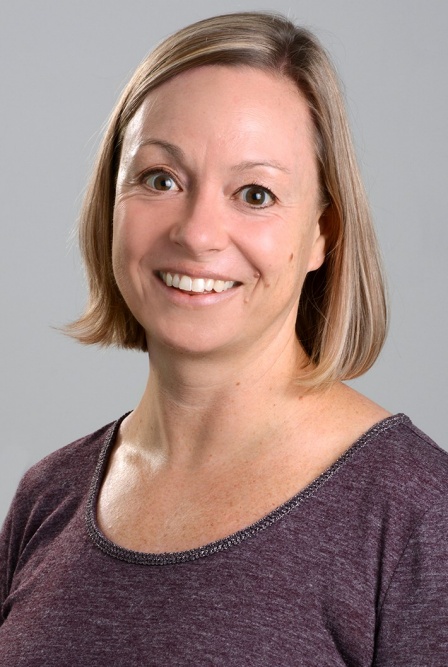
Melissa R. McCartney, PhD, is associate dean for undergraduate education at the Jacobs School of Medicine and Biomedical Sciences at the University at Buffalo and an associate professor in the Department of Pharmacology and Toxicology. In her leadership role, she oversees undergraduate educational initiatives and works to strengthen pathways that prepare students for success in biomedical science and health-related careers.
A nationally recognized scholar in discipline-based education research, McCartney’s work focuses on cultivating and retaining the future biomedical and STEM workforce. Her research examines how students develop scientific identities, build a sense of belonging within academic communities and translate scientific training into meaningful career opportunities. She has developed innovative approaches to integrating career development, scientific skill-building and evidence-based teaching practices into undergraduate science education.
McCartney’s scholarship is informed by her experiences beyond academia, including serving as an associate editor for Science and as a program manager for the American Association for the Advancement of Science (AAAS). These roles strengthened her commitment to helping students recognize the broad range of skills gained through scientific training and the diverse career pathways available to STEM graduates.
Prior to joining the Jacobs School, McCartney was a faculty member in the Department of Biological Sciences at Florida International University, where she established a nationally recognized education research program focused on student success, science identity and workforce development. Her work has contributed to the development of new assessment tools and educational interventions that help improve student engagement, persistence and achievement in STEM disciplines.
McCartney earned a bachelor’s degree in biochemistry from Binghamton University (SUNY) and a doctorate in neuroscience from The George Washington University. She completed postdoctoral training at The Children’s Hospital of Philadelphia and subsequently served as a Science and Technology Policy Fellow with the National Academies.
Through her research, teaching and academic leadership, McCartney is dedicated to advancing educational excellence and creating inclusive learning environments that empower the next generation of scientists and health professionals.